

When we talk about the roots of Korean handmade accessories, Namdaemun Market is one of the first places that comes to mind. Established in 1414 during the Joseon dynasty, Namdaemun has been more than just a trading post—it is a living heritage where generations of artisans have practiced, preserved, and passed on their craft.
Namdaemun, located beside Seoul’s Sungnyemun Gate (also called the Great South Gate), is Korea’s oldest and largest traditional market. Its history stretches back over 600 years, surviving colonial rule, wars, and fires. Today, it has grown into a bustling complex of over 10,000 stores and stalls, attracting both locals and travelers from around the world.
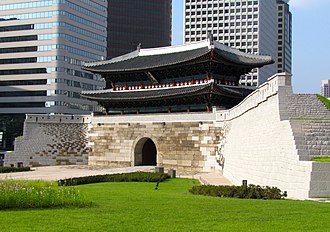
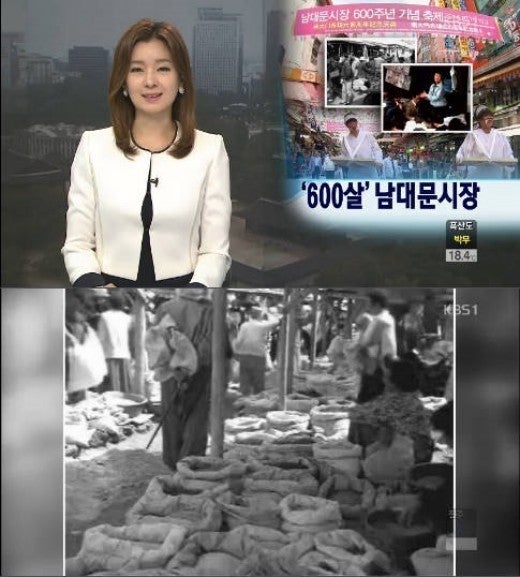
In fact, Namdaemun Market celebrated its 600th anniversary, reminding us that this is not a modern creation but a centuries-old space where the origins of trade in Korea are still alive today. Walking through its alleyways, you can feel the continuity: the outdoor stalls of the past, captured in black-and-white photographs, have transformed into today’s back-to-back arcades and workshops—yet the spirit of resilience remains the same.
Generations of Craftsmanship
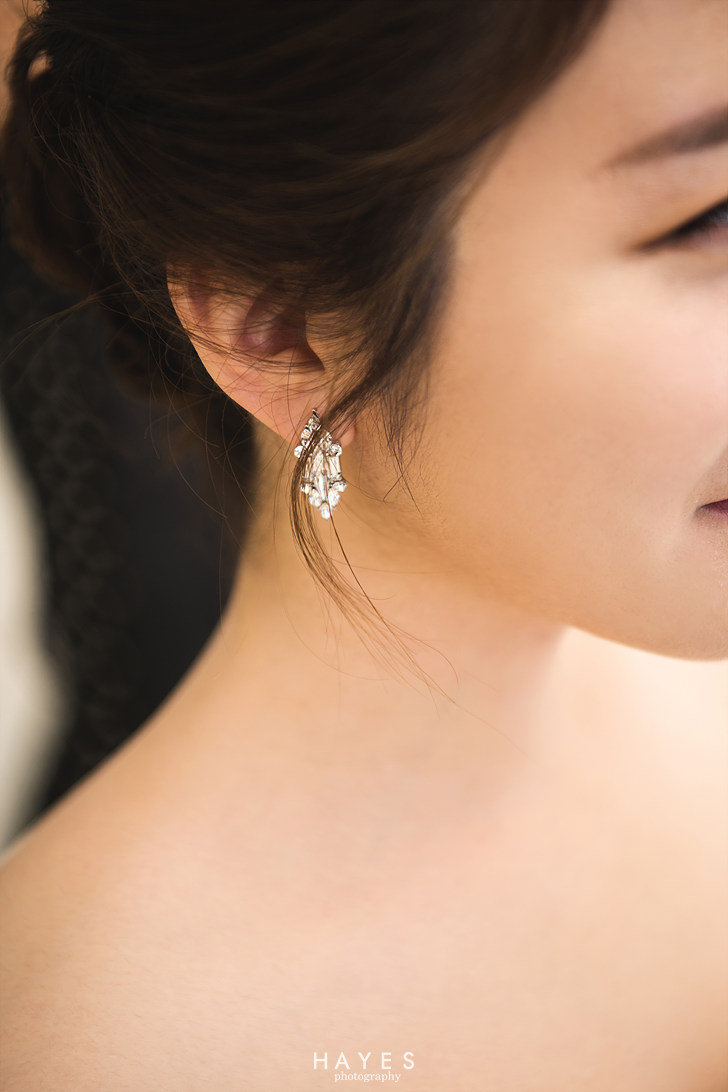
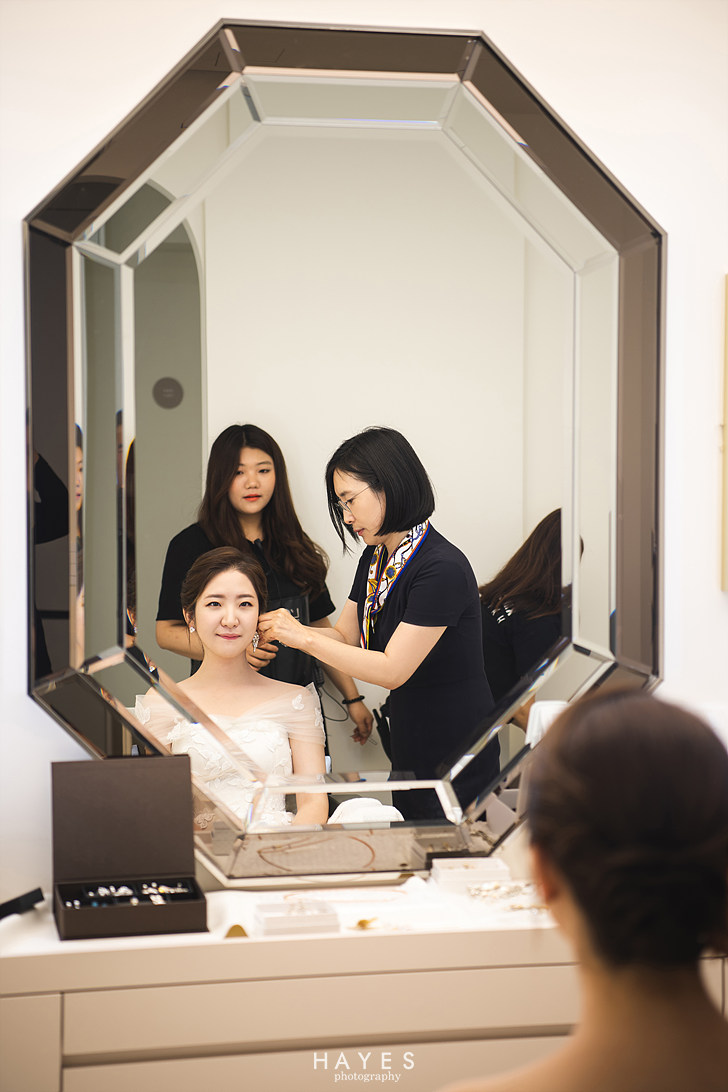
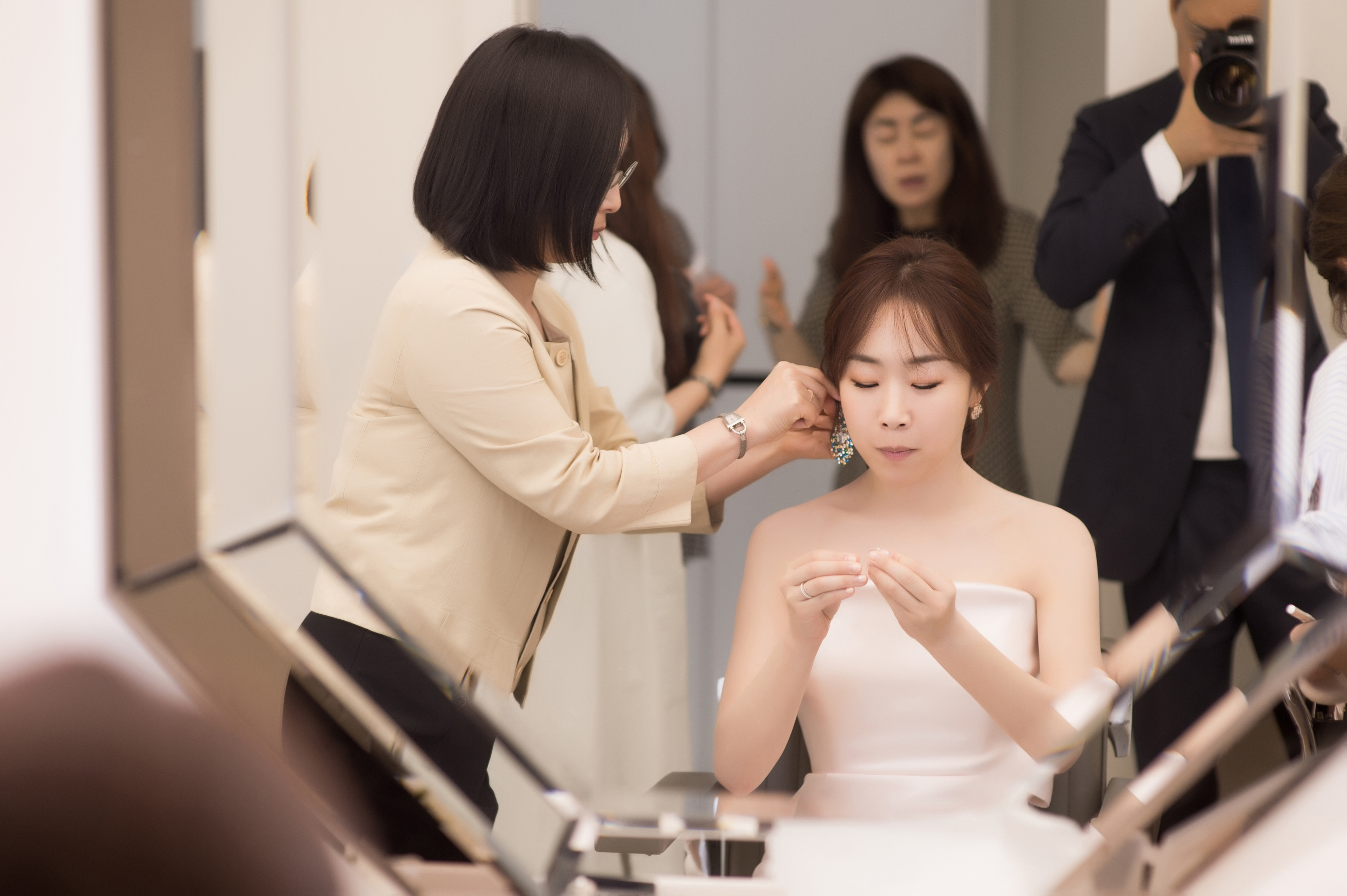
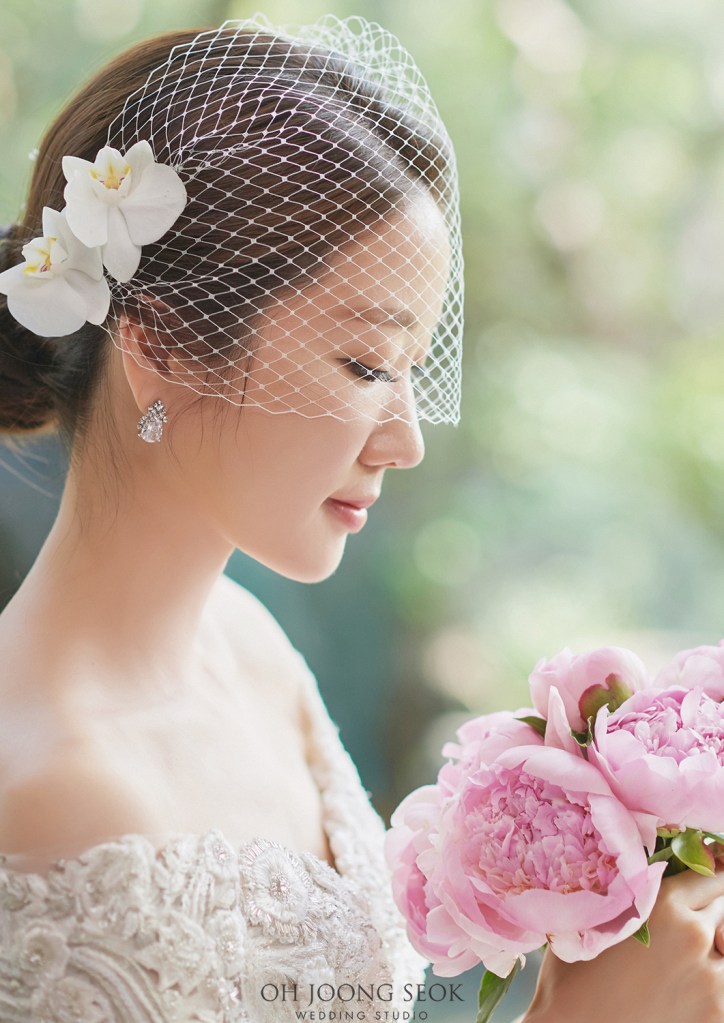
Inside Namdaemun, many accessory shops are not just businesses but family legacies. Some have been passed down for two, even three generations, with children growing up in their parents’ workshops. What began as traditional hanbok ornaments has evolved into modern bridal earrings and hair accessories, but the craftsmanship—the human touch—has never disappeared.

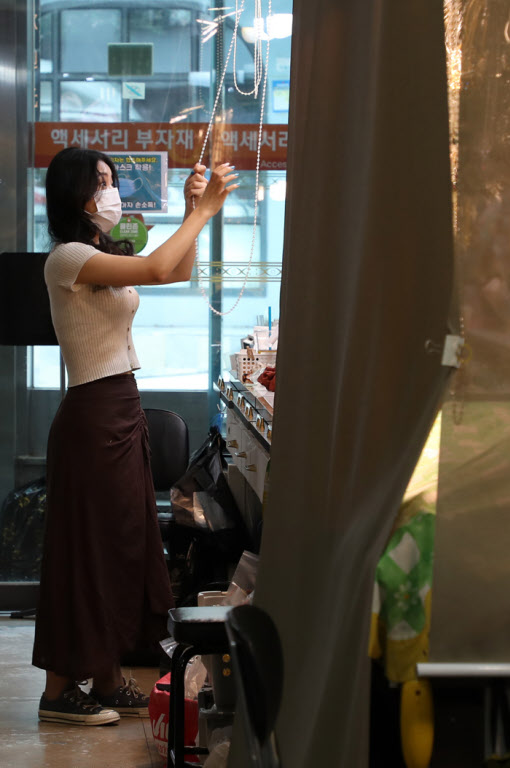
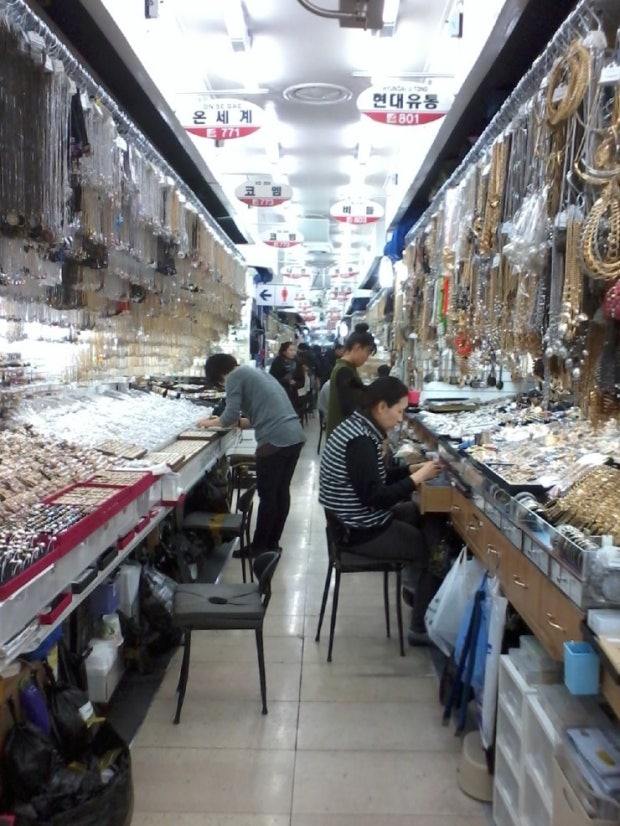
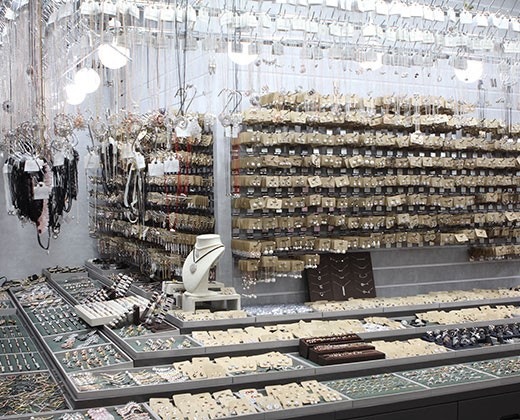

Photos of handmade jewelry and accessory shops in Seoul’s Namdaemun Market : Photos courtesy of Naver News. 👉 Sustainability angle: Unlike fast fashion, which thrives on speed and disposability, Namdaemun artisans emphasize durability, repairability, and cultural value. This is why their work endures across decades and even centuries.
Handmade Prices vs. Fast Fashion
It’s true that many accessories in Namdaemun are sold at retail prices similar to Zara or H&M. But the comparison stops there:
- Mass vs. human scale: Fast fashion is made by machines in factories; Namdaemun items are made by hands with stories behind them.
- Disposable vs. lasting: Zara’s pieces are designed to be replaced quickly; Namdaemun’s are built to be repaired, treasured, and passed down.
- Trendy vs. timeless: Fast fashion follows micro-trends; Namdaemun artisans create designs that stay meaningful long after trends fade.
So while the price tag may look the same, the value is worlds apart.
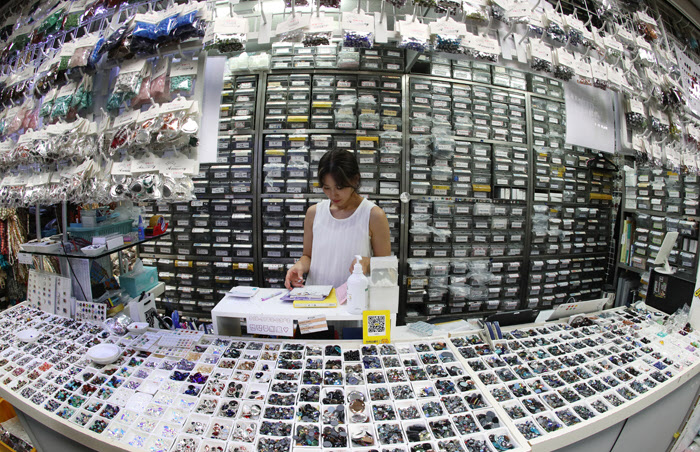

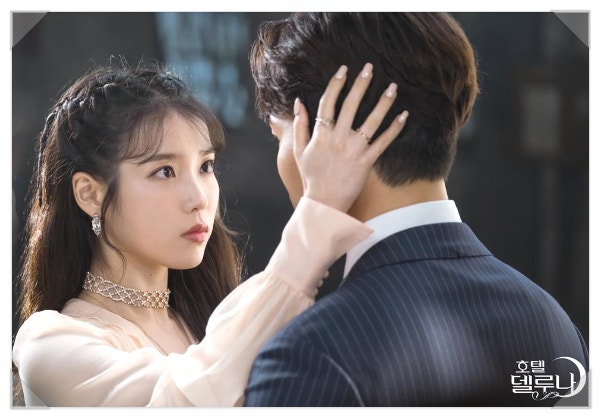
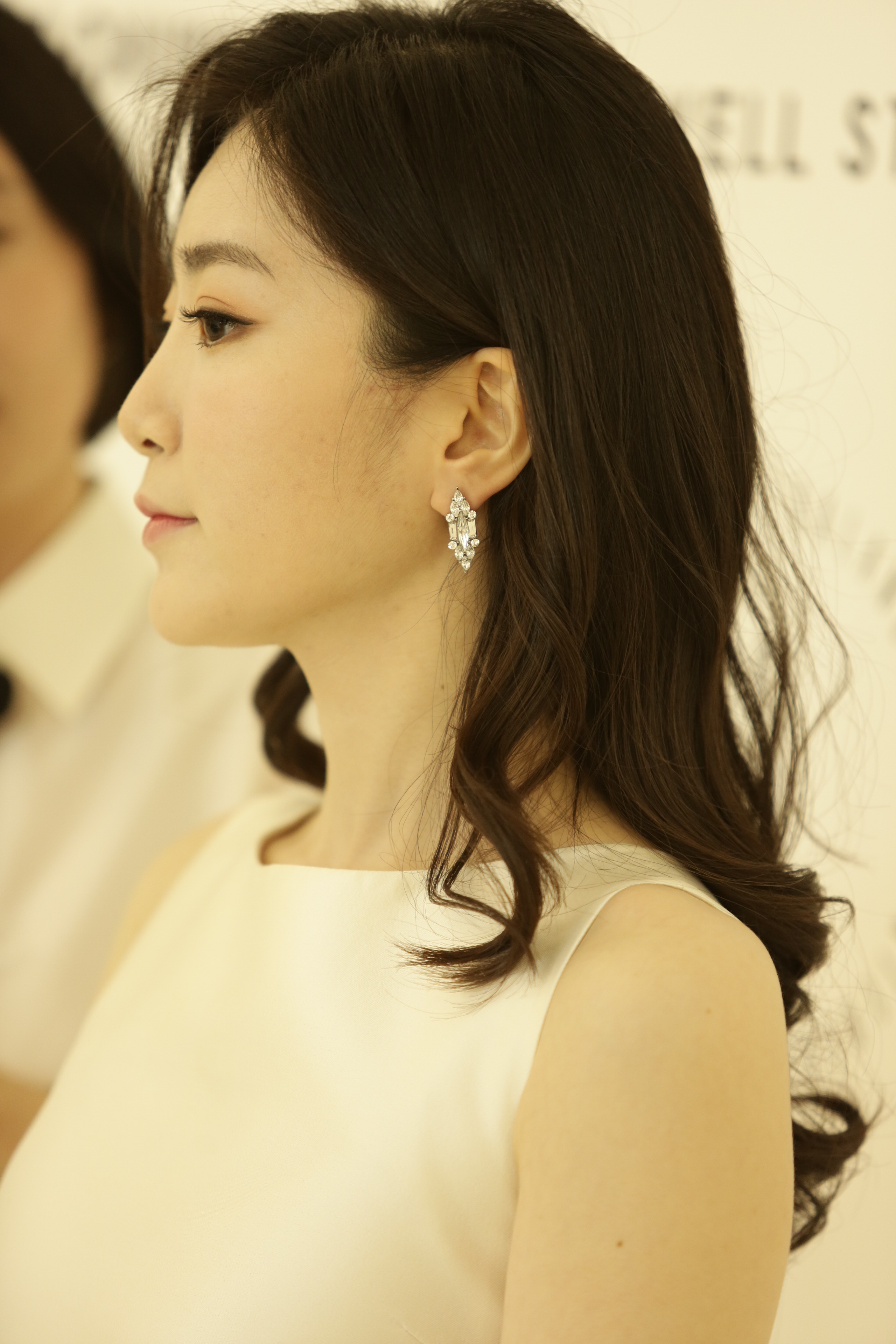
Celebrities’ influence on fashion.
“By looking at the accessories on display, you can get a sense of what celebrities and public figures prefer. Their choices often set trends, and the designs they favor become a pillar of fashion. In fact, these displays even give you hints about who is currently active and popular, since many shops mirror the exact styles worn by celebrities for fans and customers to follow.”

🌿 Why It Must Be Different
When you choose a handmade accessory from Namdaemun, you are not just shopping—you are participating in a 600-year-old story. You are supporting artisans who value heritage over haste, sustainability over speed, and meaning over mass production.
And this is why Korean handmade accessories, born in places like Namdaemun, can never be the same as fast fashion. They are different by nature, and they always will be.




 The Korean Accessory Guide